Atmos Rewards elite status: 2026 thresholds and 2027 changes

Loading article…
Atmos Rewards replaced Alaska Mileage Plan and HawaiianMiles in August 2025. This guide distinguishes the rules confirmed for 2026 from changes announced for November 2026 and 2027; announced benefits are not treated as already available.
The four elite tiers are Silver, Gold, Platinum and Titanium. Status points qualify you for a tier; redeemable Atmos points pay for eligible rewards. They are separate balances.
The choice of earning by distance, price paid or flight segments takes effect on January 1, 2027. Until then, members continue earning under the current distance and fare-class rules. Choosing a future method now does not change a 2026 flight.
Former Alaska or Hawaiian status holders should use the status and expiry shown in their Atmos account. A historical tier name or a credit-card welcome bonus does not establish current elite status.
Earn eligible status points during the qualification year to reach a tier. The source, fare, operating airline and booking channel can change what qualifies; a redeemable-points promotion is not automatically a status-points promotion.
The program consists of four elite tiers: Silver, Gold, Platinum and Titanium. Each tier unlocks progressively better perks, from priority boarding to premium cabin upgrades and dedicated support services.
Qualification earning ends on December 31. Alaska describes the benefit period as running through January 31; check the precise expiry in your account. Do not confuse the calendar-year earning deadline with the end of a status benefit period.
Million Miler recognition is separate from annual status qualification. The official programme counts qualifying lifetime flight miles on Alaska and Hawaiian; ordinary card spending and transferred points are not a substitute for those flight miles.
Benefits depend on tier, itinerary, fare and availability. Alaska confirms one complimentary checked bag for Silver in 2026. Higher tiers receive additional baggage and upgrade priority under the published rules. Preferred seats, Premium Class and First Class upgrades are different benefits; none guarantees an available seat on every flight.
An Atmos tier maps to a oneworld tier, but airline-specific benefits still have eligibility rules. An elite status or card alone does not promise admission to every lounge or benefits on every fare.
The table below gives the confirmed 2026 annual qualification thresholds. The 2027 announcement introduces earning and benefit changes; do not reuse the old 75,000/100,000 thresholds as current Platinum/Titanium requirements.
From January 1, 2027, the choices are distance, eligible price paid or segments flown. Distance remains the default if you make no selection; the programme allows a change once per calendar year.
| Tier | 2026 status points | oneworld tier |
|---|---|---|
| Silver | 20,000 | Ruby |
| Gold | 40,000 | Sapphire |
| Platinum | 80,000 | Emerald |
| Titanium | 135,000 | Emerald |
A status point is not redeemable for a flight. The points earned from card purchases, a welcome offer or a transfer can follow different rules from status qualification. Use the explicit status-points rule for each activity.
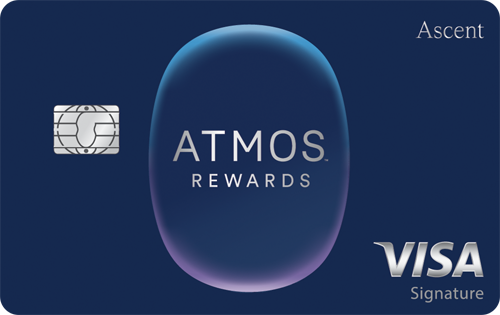
The Atmos Rewards Ascent card earns 1 status point per $3 of eligible purchases, without a status-points earning cap under the current card terms. Its annual fee is $95; the spending needed for a tier can be substantial.
For example, $100,000 of eligible Ascent spending produces approximately 33,333 status points at 1 per $3: above Silver’s 20,000 threshold but below Gold’s 40,000, before other qualifying activity.
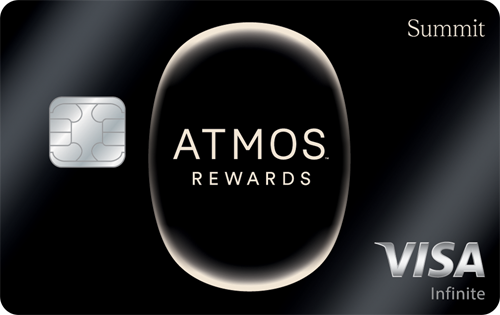
The Atmos Rewards Summit card has a $395 annual fee and earns 1 status point per $2 of eligible purchases. It also awards 10,000 status points at each account anniversary under its terms.
Anniversary points are not a welcome gift credited automatically on opening. Only include them once the account anniversary award is actually available and credited in the relevant qualification year.
Compare the Ascent card and Summit card in the credit-card comparison tool. Their welcome reward points and companion awards are separate from elite-status points. A companion fare has a ticket price, taxes, route and booking restrictions; it is not a cash credit or an unrestricted points balance.
| Credit card | Annual fee | Welcome offer | |
|---|---|---|---|
| $95 | |||
| $395 |
Before booking, verify the fare and partner chart in the official programme. Award flights and paid flights follow different rules; do not apply a generic points-per-dollar formula to every airline, partner booking or reward ticket.

Milestones provide benefit choices at specified status-points levels. A choice is not necessarily automatic, and the options and expiry can change. Select and use the benefit under the terms shown in your account.
Changes announced for January 1, 2027: these are future changes as of the October 26, 2026 source check.
Starting November 2, 2026, Platinum and Titanium members’ Premium Class companion benefit expands to children under 18 on the same flight and reservation; Saver fares are excluded. Starting February 2027, Silver members lose complimentary Premium Class upgrades at booking but remain eligible within 48 hours of departure. Automated upgrade-certificate waitlisting is announced for later 2027, not as an already operational feature.
From January 1, 2027, distance earning gives 1 point and 1 status point per eligible mile; price-based earning gives 5 per eligible dollar, excluding taxes and fees but including carrier-imposed surcharges. Segment earning gives 500 per eligible segment. Award flights earn status points only: by distance, 500 per segment, or 1 per 20 points redeemed under the price option. Partner-booking exceptions apply, especially outside American Airlines when booked directly. Saver and Basic Economy fares are excluded. The distance option loses class-of-service bonuses and the 500-point short-flight minimum from that date.
Upgrades depend on eligible fares, priority and availability. A Premium Class seat is not a First Class seat or a lounge pass. Check the official upgrade rules for the actual itinerary and certificate; avoid assuming every Titanium member receives a free global upgrade.
Gold corresponds to oneworld Sapphire; Platinum and Titanium correspond to Emerald. Lounge eligibility depends on the itinerary and the alliance rules. In particular, Alaska’s international oneworld access has geographic conditions; do not treat a domestic U.S. flight or an elite card as an unrestricted global lounge membership.
Before pursuing a higher tier, compare the value of baggage, seats and upgrades you expect to use with the extra fare or card cost. Do not spend solely to reach a threshold if the unused benefits would not cover that cost.
Use the oneworld tier and lounge eligibility rules alongside Alaska’s conditions. Sapphire/Emerald recognition does not waive eligible-flight, guest, operating-carrier or lounge-access restrictions.
Status is most useful when the eligible routes and benefits match travel you already plan. A traveller who regularly checks bags or can use upgrade priority may obtain more value than one who usually buys the cheapest excluded fare.
Occasional travellers should compare the cost of the specific seat or bag they need with the cost of pursuing status. Card fees, required spending and benefits subject to availability should be evaluated separately.
Sources checked October 26, 2026: Alaska’s 2026 status thresholds, 2027 programme changes, earning choices, Million Miler terms, and the official Ascent and Summit pages. Card terms establish 1 status point/$3 Ascent and 1/$2 Summit. Amounts are in U.S. dollars.