
Using a Credit Card to Build Your Credit: A Complete Guide
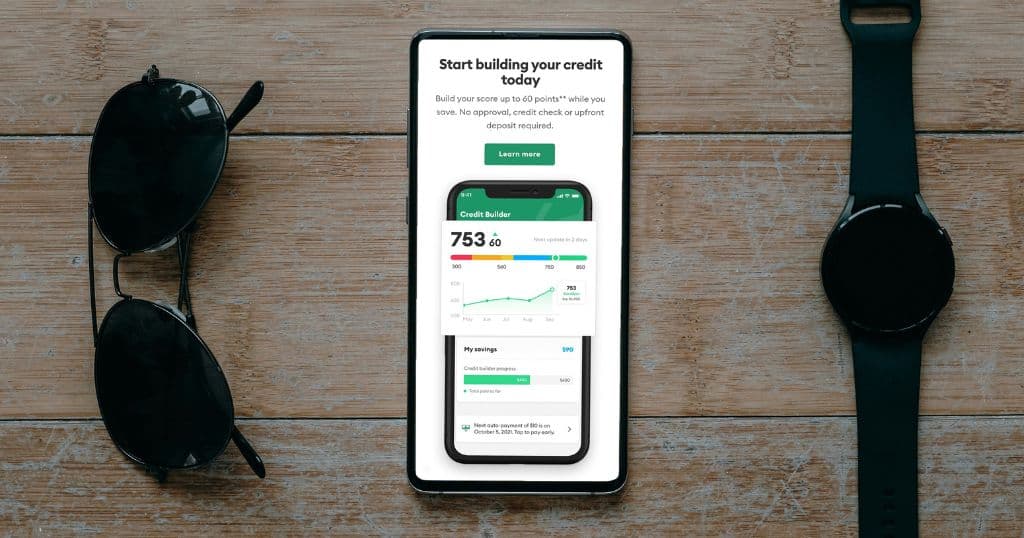
A good credit score opens doors to financial opportunities, from favorable interest rates on mortgages to approval for apartment rentals and even certain job opportunities. One of the most effective tools for building or improving your credit is a credit card, when used responsibly. This guide will walk you through how to use credit cards strategically to boost your credit score while avoiding common pitfalls.
Whether you’re starting from scratch with no credit history or working to rebuild after financial setbacks, understanding how credit cards affect your credit score can help you make informed decisions that positively impact your financial future.
How Credit Cards Impact Your Credit Score
Credit cards influence nearly every factor that determines your credit score. Here’s how they affect the main components of your FICO score:
- Payment history (35% of your score): Each on-time payment strengthens your credit profile
- Credit utilization (30% of your score): The percentage of available credit you’re using
- Length of credit history (15% of your score): How long you’ve had credit accounts open
- Credit mix (10% of your score): The variety of credit accounts you manage
- New credit (10% of your score): Recent applications for credit
When used properly, credit cards provide regular opportunities to demonstrate responsible credit management across all these factors.
Best Practices for Building Credit with a Credit Card
Pay Your Bill On Time, Every Time
Payment history is the single most important factor in your credit score. Even one missed payment can significantly damage your credit.
- Set up automatic payments for at least the minimum amount due
- Create calendar reminders several days before your due date
- Consider scheduling payments to occur shortly after payday
- Use your card issuer’s mobile app to monitor due dates
Consistently making on-time payments demonstrates to lenders that you’re reliable and can manage credit responsibly.
Pay Your Balance in Full Each Month
While making minimum payments keeps your account in good standing, paying your balance in full each month offers several advantages:
- Avoid paying interest charges
- Prevent debt accumulation
- Demonstrate strong financial management
- Maintain low credit utilization
Treating your credit card like a debit card—only spending what you know you can pay off when the bill comes—is a smart approach for building credit without falling into debt.
Keep Your Credit Utilization Low
Credit utilization refers to the percentage of your available credit that you’re using. Lower utilization rates positively impact your credit score.
- Aim to keep your utilization below 30% of your credit limit
- For optimal credit scores, maintain utilization under 10%
- Consider making multiple payments throughout the month to keep balances low
- Request credit limit increases (but don’t increase spending)
For example, if your credit limit is $1,000, try to keep your balance below $300 (30% utilization) or ideally under $100 (10% utilization) for the best impact on your credit score.
Keep Your Accounts Open
The length of your credit history influences your credit score, so keeping accounts open—even if you don’t use them frequently—can be beneficial.
- Avoid closing old credit card accounts, especially your oldest ones
- Make small purchases occasionally on cards you don’t use regularly
- Set up a small recurring bill (like a streaming service) on older cards
- Check for inactivity fees that might apply if you don’t use the card
Closing credit cards can potentially hurt your score by reducing your available credit (increasing utilization) and decreasing the average age of your accounts.
Limit New Credit Applications
Each time you apply for a new credit card, the issuer performs a hard inquiry on your credit report, which can temporarily lower your score.
- Space out credit card applications by at least six months
- Research card requirements before applying to avoid unnecessary rejections
- Use pre-qualification tools that perform soft inquiries to check your approval odds
- Focus on building history with existing accounts rather than continuously opening new ones
Choosing the Right Credit Card to Build Credit
Selecting the appropriate credit card for your situation is crucial for successfully building credit. Here are the main options to consider based on your current credit profile:
For No Credit History
- Secured credit cards: Require a security deposit that typically becomes your credit limit; ideal for establishing credit from scratch
- Student credit cards: Designed for college students with limited credit history; often have lower approval requirements
- Store credit cards: Typically easier to qualify for, though they may have higher interest rates and limited usability
For Building or Rebuilding Credit
- Credit builder cards: Specifically designed to help establish or improve credit; may offer credit education tools
- Secured credit cards: Useful for rebuilding credit after financial difficulties
- Becoming an authorized user: Being added to a responsible person’s credit card account can help build your credit history
When selecting a card, prioritize these features:
- Reports to all three major credit bureaus (Experian, Equifax, and TransUnion)
- Low or no annual fee
- Reasonable interest rates (though you should aim to pay in full anyway)
- Path to upgrade to an unsecured card (for secured cards)
Alternative Ways to Build Credit with a Credit Card
Become an Authorized User
If you’re struggling to qualify for your own credit card, becoming an authorized user on someone else’s account can help you build credit:
- The primary account holder adds you to their credit card
- You receive a card with your name but linked to their account
- The account history appears on your credit report
- You benefit from their responsible credit management
This approach works best when the primary cardholder has excellent payment history and low credit utilization. Make sure the card issuer reports authorized user activity to the credit bureaus, as not all do.
Use Credit-Building Features
Some financial products combine features of credit cards and loans to help build credit:
- Credit builder loans: Function like a reverse loan where you make payments first, then receive the funds
- Secured cards with savings components: Some secured cards help you build savings while establishing credit
- Debit cards that report to credit bureaus: A few specialized debit cards now report payment history
Common Mistakes to Avoid
While using credit cards to build credit, watch out for these potential pitfalls:
Making Late Payments
Late payments can severely damage your credit score and may remain on your credit report for up to seven years. Set up automatic payments or reminders to ensure you never miss a due date.
Carrying High Balances
High credit utilization signals potential financial distress to lenders. Keep your balances low relative to your credit limits, ideally below 30% and optimally under 10%.
Applying for Multiple Cards Simultaneously
Each credit card application generates a hard inquiry on your credit report. Multiple inquiries in a short period can lower your score and make you appear financially desperate to lenders.
Closing Old Credit Cards
Closing old accounts can shorten your credit history and reduce your available credit, potentially hurting your score. Unless a card has an annual fee you can’t justify, consider keeping it open with occasional small purchases.
Only Making Minimum Payments
While making minimum payments keeps your account in good standing, carrying balances month to month leads to interest charges and potential debt accumulation. Aim to pay your balance in full each month.
Monitoring Your Credit Progress
As you use your credit card to build credit, it’s important to track your progress:
- Check your credit score regularly: Many credit card issuers offer free credit score access
- Review your credit reports annually: Get free reports from annualcreditreport.com
- Use credit monitoring services: These can alert you to changes in your credit profile
- Track your credit utilization: Monitor your balances relative to your credit limits
Most people see noticeable improvements in their credit scores within 3-6 months of consistent responsible credit card use. More significant improvements typically occur over 12-24 months.
Timeline for Building Credit with a Credit Card
Building credit is a marathon, not a sprint. Here’s a general timeline of what to expect:
- 1-3 months: Establish credit file (if starting from zero)
- 3-6 months: Begin to see initial improvements in credit score
- 6-12 months: Qualify for better credit products
- 12-24 months: Achieve good to excellent credit with consistent responsible use
Your starting point significantly affects this timeline. Someone with no credit history may need more time to build a score than someone rebuilding after financial difficulties.


- Annual fee
- $95
- Our valuation
- $1,538Milesopedia first-year estimate First-year valueWelcome bonus$1,538Total$1,538Rewards on your spending are not included. The calculator that adds them from your own profile is on the card's page.
- Milesopedia first-year estimateFirst-year valueWelcome bonus$1,538Total$1,538Rewards on your spending are not included. The calculator that adds them from your own profile is on the card's page.
- Welcome offer
- 75,000 points
on Chase's website
Bottom Line
Credit cards are powerful tools for building credit when used responsibly. By following the key principles of making on-time payments, keeping balances low, limiting new applications, and maintaining long-standing accounts, you can establish a strong credit profile that opens doors to better financial opportunities.
Remember that building credit is a long-term process that rewards consistency and responsible habits. Start with the right credit card for your situation, use it wisely, and monitor your progress regularly. With patience and discipline, you’ll be on your way to achieving an excellent credit score that serves your financial goals.
The most important takeaway is to treat your credit card as a financial tool rather than a source of extra money. By spending only what you can afford to pay back and making payments on time, you can harness the credit-building power of credit cards while avoiding the potential pitfalls of debt and interest charges.
Frequently Asked Questions
How quickly can I build credit with a credit card?
You can begin establishing a credit history within 1-3 months of opening and using a credit card. Most people see noticeable improvements in their credit scores after 3-6 months of responsible use. More significant improvements typically occur over 12-24 months of consistent on-time payments and low credit utilization. Your starting point matters—building credit from scratch may take longer than rebuilding after financial difficulties. Focus on making every payment on time and keeping your balances low relative to your credit limits for the fastest improvement.
What credit utilization ratio is best for my credit score?
For good credit scores, aim to keep your credit utilization ratio below 30% of your available credit. For excellent scores, try to maintain utilization under 10%. Credit utilization is calculated both per card and across all your credit cards combined. For example, if you have a $1,000 credit limit, keeping your balance below $300 (30%) is acceptable, but staying under $100 (10%) is ideal. If you need to make a large purchase that will temporarily increase your utilization, try to pay down the balance before your statement closing date, as that’s typically when card issuers report to the credit bureaus.
Should I close credit cards I don’t use anymore?
In most cases, it’s better to keep unused credit cards open, especially older accounts. Closing a credit card can potentially hurt your credit score in two ways: by reducing your total available credit (which increases your overall utilization ratio) and by potentially shortening your credit history if it’s an older account. Instead of closing unused cards, consider making a small purchase on them every few months and setting up automatic payments to keep them active. The exception is if a card has an annual fee that you can’t justify based on the card’s benefits—in that case, you might consider closing it or asking the issuer to downgrade it to a no-fee version.
What’s the difference between a secured and unsecured credit card?
A secured credit card requires a security deposit that typically becomes your credit limit. This deposit serves as collateral, reducing the risk for the card issuer. An unsecured credit card doesn’t require a deposit—the issuer extends credit based on your creditworthiness. Secured cards are designed for people with no credit history or poor credit, while unsecured cards generally require at least fair credit to qualify. Both types report to credit bureaus and can help build credit when used responsibly. Many secured card issuers will return your deposit and upgrade you to an unsecured card after 6-12 months of responsible use.
How does becoming an authorized user affect my credit?
Being added as an authorized user on someone else’s credit card can help build your credit history, as many card issuers report authorized user accounts to credit bureaus. The primary account holder’s payment history, credit utilization, and account age may appear on your credit report, potentially benefiting your credit score. However, the impact varies by credit bureau and scoring model—some give less weight to authorized user accounts than primary accounts. For maximum benefit, ask to be added to an account with a long history of on-time payments, low utilization, and no negative marks. Remember that any negative activity on the account could also affect your credit, so choose a financially responsible primary account holder.
Will checking my credit score hurt my credit?
Checking your own credit score or credit report is considered a “soft inquiry” and does not affect your credit score. You can check your own credit as often as you like without any negative impact. Many credit card issuers now offer free credit score access as a cardholder benefit, and you’re entitled to one free credit report annually from each of the three major credit bureaus through AnnualCreditReport.com. Regular monitoring of your credit is actually a good practice, as it helps you track your progress and catch any errors or fraudulent activity quickly. Only “hard inquiries”—which occur when you apply for new credit—can temporarily lower your score.

Our editorial integrity
Our reviews and rankings are based on an objective assessment. Advertisers do not influence our content. We may receive compensation through some links; our analysis and opinions remain independent.