The US has one of the most competitive credit card markets in the world, with hundreds of cards available from major issuers (Chase, Amex, Citi, Capital One, Bank of America), challengers (Discover, US Bank), and fintechs (Apple Card, SoFi). Choosing the right card can save you hundreds — or even thousands — per year. Pick a need below to jump to its comparison table.
The best credit cards for travel
Choose points you can use for your travel plans. Compare available programs and annual fees.
Then check included benefits, such as insurance and lounge access, along with welcome-offer conditions.
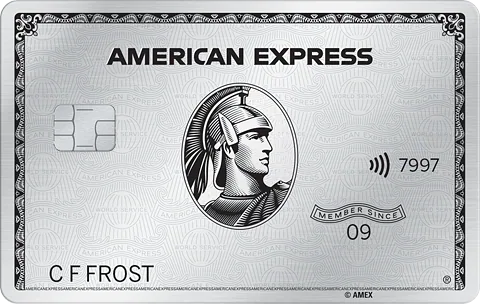
This month, the best credit card for travel in the US is the The Platinum Card® from American Express. It offers 175,000 points. Its annual fee is $895.
| Credit card | Annual fee | Welcome offer | |
|---|---|---|---|
| $895 | |||
| $325 | |||
| $95 | |||
| $95 | |||
| $395 |




The best credit cards for cash back
Compare cash back on your actual grocery, dining and transport spending. The highest rate does not apply to every purchase.
Check earning caps, annual fees and redemption conditions.
This month, the best credit card for cash back in the US is the Ink Business Unlimited® Credit Card. It offers $1,000. It has no annual fee.
| Credit card | Annual fee | Welcome offer | |
|---|---|---|---|
| $0 | |||
| $195 | |||
| $150 | |||
| $0 | |||
| $0 |





The best credit cards with no annual fee
Keep recurring costs down with a no-annual-fee card. Compare rewards and included services.
Check other applicable charges. A free first year does not mean later years will be free.
This month, the best credit card with no annual fee in the US is the Ink Business Unlimited® Credit Card. It offers $1,000. It has no annual fee.
| Credit card | Annual fee | Welcome offer | |
|---|---|---|---|
| $0 | |||
| $0 | |||
| $0 | |||
| $0 | |||
| $0 |

The best credit cards with premium benefits
A premium card is judged on the benefits you will actually use: travel credits, lounge access, hotel status.
Add up the value of those alone, then compare it with the annual fee. A credit you never use is worth nothing.
This month, the best credit card with premium benefits in the US is the The Platinum Card® from American Express. It offers 175,000 points. Its annual fee is $895.
| Credit card | Annual fee | Welcome offer | |
|---|---|---|---|
| $895 | |||
| $325 | |||
| $395 | |||
| $895 | |||
| $375 |
The best credit cards for students
For students choosing a first card, compare eligibility, fees and account-management tools.
Look at rewards on your usual purchases. Welcome-offer spending requirements should fit your budget.
This month, the best credit card for students in the US is the IHG® One Rewards Traveler Credit Card. It offers 80,000 points. It has no annual fee.
| Credit card | Annual fee | Welcome offer | |
|---|---|---|---|
| $0 | |||
| $0 | |||
| $0 | |||
| $0 | |||
| $0 |
The best credit cards for airlines
An airline co-branded card pays off mostly if you fly that carrier often. Compare checked bags, priority boarding and status.
Also look at what a mile is worth on redemption: a high earning rate does not make up for awards you cannot book.
This month, the best credit card for airlines in the US is the The New United℠ Business Card. It offers up to 110,000 miles. Its annual fee is $150.
| Credit card | Annual fee | Welcome offer | |
|---|---|---|---|
| $150 | |||
| $99 | |||
| $99 | |||
| $299 | |||
| $395 |



The best credit cards for hotels
A hotel card is compared against your actual stays: anniversary free night, status, points on stays.
Check what the free night is worth at the properties you use, and weigh that against the annual fee.
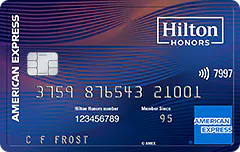
This month, the best credit card for hotels in the US is the Hilton Honors American Express Aspire Card. It offers 200,000 points. Its annual fee is $550.
| Credit card | Annual fee | Welcome offer | |
|---|---|---|---|
| $550 | |||
| $250 | |||
| $195 | |||
| $650 | |||
| $99 |

The best credit cards for airport lounge access
Compare the lounge networks covered against the airports you actually fly through. A large network is useless if it is absent from your routes.
Check included visits, guest policy and annual fees.
This month, the best credit card for airport lounge access in the US is the The Platinum Card® from American Express. It offers 175,000 points. Its annual fee is $895.
| Credit card | Annual fee | Welcome offer | |
|---|---|---|---|
| $895 | |||
| $395 | |||
| $895 | |||
| $795 | |||
| $395 |


The best credit cards for business
Start with your main business purchases. Compare rewards, additional cards and expense-management tools.
Check eligibility, fees and liability terms.
This month, the best credit card for business in the US is the Ink Business Unlimited® Credit Card. It offers $1,000. It has no annual fee.
| Credit card | Annual fee | Welcome offer | |
|---|---|---|---|
| $0 | |||
| $195 | |||
| $895 | |||
| $375 | |||
| $795 |
The best credit cards for foreign-currency spending
For foreign-currency spending, compare conversion charges, waiver conditions and annual fees.
Distinguish purchases from withdrawals: cash advances may incur additional charges.
This month, the best credit card for foreign-currency spending in the US is the The Platinum Card® from American Express. It offers 175,000 points. Its annual fee is $895.
| Credit card | Annual fee | Welcome offer | |
|---|---|---|---|
| $895 | |||
| $325 | |||
| $95 | |||
| $95 | |||
| $395 |
How to choose a credit card
The Big Trade-Off: Annual Fee vs Rewards
Premium cards ($95-$695/year) generally earn 2-5x more in rewards, include travel insurance, and offer perks like airport lounge access and Global Entry credits. No-fee cards are simpler but earn less. The break-even point is usually $15,000-$25,000 in annual spending.
Our Methodology
Every card is evaluated across 100+ criteria. We calculate first-year value by combining the welcome bonus, estimated rewards on typical American spending patterns, and subtracting the annual fee. This objective score determines our ranking.
Our Editorial Independence
Milesopedia may receive compensation through affiliate links when you apply for a card. However, this never influences our rankings or editorial picks. Our methodology is transparent and data-driven — every card is scored on the same criteria regardless of affiliate relationships.
Frequently asked questions
What is the best credit card in the US right now?
It depends on your spending habits. For cash back, the Citi Double Cash is excellent with no annual fee. For travel rewards, the Chase Sapphire Preferred offers great value. For no annual fee, the Discover it Cash Back is a top pick.
How do we pick the best credit cards?
We analyze over 100 cards based on rewards value, annual fees, welcome bonuses, insurance benefits, and real-world spending patterns. Our rankings are updated monthly and are not influenced by advertising partnerships.
Should I get a cash back or travel rewards card?
If you travel at least once a year, a travel card typically offers 2-5x more value per point. If you prefer simplicity or don't travel much, cash back gives you guaranteed value with no effort.
How many credit cards should I have?
Most experts recommend 2-3 cards to maximize rewards across categories. For example, a travel card for big purchases, a grocery card for everyday spending, and a no-fee backup.
What credit score do I need for the best cards?
Most premium cards require a credit score of 670+. Student cards typically require no credit history. Secured cards are available for those building or rebuilding credit. Checking your own credit score does not affect it.
Can newcomers to the US get a credit card?
Yes! Several issuers offer credit cards for newcomers. Secured cards require a deposit but have no credit history requirement. After 6-12 months of responsible use, you can upgrade to a rewards card.
What's the difference between Visa, Mastercard, and American Express?
Visa and Mastercard are accepted almost everywhere. American Express has slightly less acceptance but often offers better rewards and perks. Your choice should be based on the specific card's rewards, not the network.
How do welcome bonuses work?
Most cards offer bonus points or cash back when you spend a minimum amount (typically $1,000-$4,000) within the first 3 months. These bonuses can be worth $200-$1,000+ and are the biggest source of first-year value.